Choosing the Right Holster by Firearm Make for Safety and Everyday Carry
Introduction: Why Holster Selection Shapes Responsible Carry
At a crowded range, a poorly fitted holster once caused a delayed draw that changed a routine practice session into a lesson about preparation. Firearm accessories influence safety, comfort, and readiness, making informed selection significant for responsible owners. This article examines how choosing holsters aligned to firearm models improves usability and confidence. The main argument centers on informed purchasing decisions, including how buy gun holsters by make helps ensure compatibility, retention, and daily comfort while respecting legal considerations and personal responsibility for modern concealed carry and open carry contexts today.
Understanding Fit, Compatibility, and Practical Use
Selecting a holster begins with understanding firearm dimensions, controls, and intended carry position. Model specific design minimizes movement, protects triggers, and supports consistent draws during training. Many buyers research reviews, materials, and retention systems before committing funds. In this context, buy gun holsters by make appears as a practical approach placed mid paragraph, guiding consumers toward options matching slide length, sights, and accessories. Such alignment reduces guesswork, supports durability, and encourages long term satisfaction without unnecessary trial, error, or compromise across everyday concealed carry lifestyles, climates, wardrobes, routines, preferences, responsibly.
Materials, Construction, and Long-Term Comfort
Materials and construction methods define comfort, longevity, and concealment effectiveness. Leather molds gradually to shape, polymer maintains rigid retention, and hybrid designs balance flexibility with stability. Stitching quality, edge finishing, and sweat guards affect wearability over extended periods. Attention to craftsmanship supports consistent performance regardless of climate or activity level. Understanding these attributes allows purchasers to match holsters with daily routines, minimizing pressure points and printing while maintaining secure firearm positioning during movement, seated tasks, or prolonged standing in diverse professional, recreational, travel, training, and family settings safely, comfortably, consistently.
Availability and Organized Marketplaces by Firearm Make
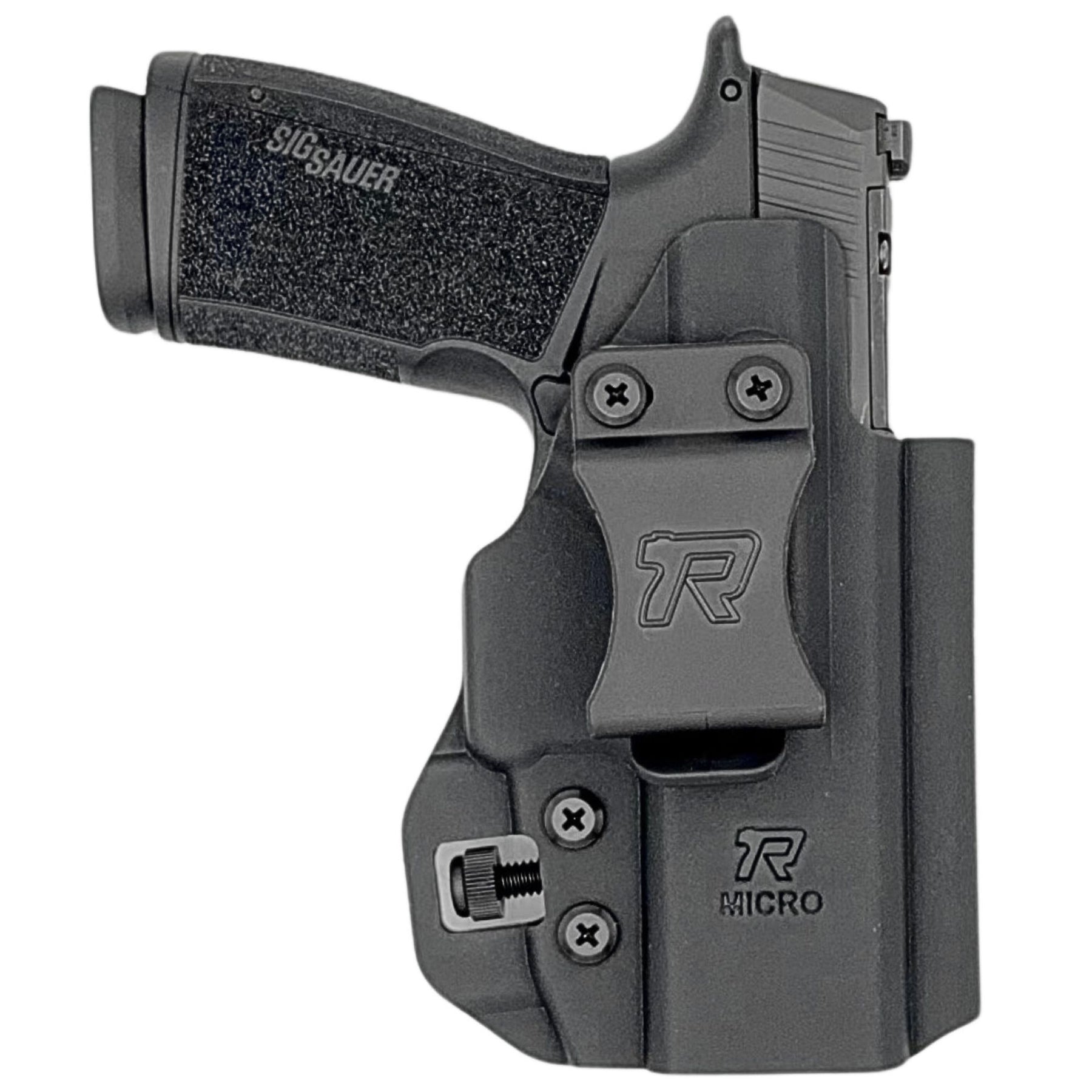
Availability across manufacturers influences how easily owners find compatible solutions. Marketplaces organize inventory by firearm brand, simplifying navigation and comparison. For shoppers seeking clarity, gun holsters by make for sale becomes a useful phrase encountered mid paragraph, reflecting structured catalogs and transparent sizing. Organized listings save time, reduce returns, and improve confidence at checkout. Clear descriptions, images, and specifications empower informed selection, particularly for new owners balancing safety expectations with comfort preferences and budget considerations during modern online purchasing experiences, research, comparison, evaluation, decision, fulfillment, delivery, support, assurance, satisfaction, trust.
Evaluating Sellers, Ethics, and Buyer Confidence
Evaluating sellers requires attention to reputation, support, and compliance standards. Detailed product pages, responsive communication, and fair policies indicate professionalism. Encountering gun holsters by make for sale within reputable stores signals organized offerings rather than generic assortments. This structure assists buyers in aligning holsters with specific models, reducing mismatches. Ethical sales practices, accurate descriptions, and clear returns foster trust, encouraging repeat engagement and responsible ownership aligned with legal and safety expectations across diverse regions, regulations, user experiences, training needs, climates, activities, schedules, responsibilities, priorities, preferences, contexts, scenarios, decisions, outcomes, confidence.
Safety, Training, and Responsible Ownership
Safety considerations remain central throughout selection and use. Proper retention prevents accidental dislodging, while trigger coverage reduces unintended discharge risks. Carry position influences accessibility and concealment, requiring honest assessment of lifestyle and clothing. Regular inspection and maintenance extend service life and reliability. Education, training, and adherence to local regulations complement equipment choices, reinforcing responsible handling practices. Together, these factors underscore how thoughtful holster selection supports safe firearm integration into everyday life for professionals, enthusiasts, commuters, travelers, trainers, competitors, guardians, households, communities, environments, circumstances, contexts, expectations, responsibilities, balance, awareness, preparedness, confidence.
Design Philosophy and Brand Perspective
Rounded by Concealment Express emphasizes refinement, precision, and user focused design philosophies within the accessory space. Attention to contours, edges, and retention reflects an understanding of daily carry demands. Consistency in manufacturing and quality control supports predictable performance. Brand identity often resonates with consumers seeking reliability without excess complexity. Such positioning highlights how thoughtful design choices translate into comfort, confidence, and sustained use, aligning equipment with practical needs rather than trends or assumptions in competitive markets, evolving regulations, diverse preferences, lifestyles, applications, climates, training, carry, contexts, expectations, priorities, outcomes, longevity.
Conclusion: Informed Choices for Everyday Carry Confidence
In conclusion, informed holster selection blends compatibility, safety, and personal comfort into a responsible decision. Understanding models, materials, sellers, and ethics reduces uncertainty and improves daily experience. Balanced evaluation supports long term satisfaction and responsible ownership. Ultimately, thoughtful purchasing decisions encourage confidence, preparedness, and safety, reinforcing how appropriate equipment choices integrate seamlessly into everyday routines across changing environments, responsibilities, regulations, climates, activities, schedules, expectations, preferences, communities, contexts, experiences, perspectives, priorities, learning, growth, consistency, reliability, awareness, balance.


Comments
Post a Comment